
Brain Stimulation May Return Brain Cells to a More Plastic State
Researchers have uncovered how repeated brain stimulation temporarily returns mature neurons to a more plastic state, helping explain its lasting benefits for severe depression.

HEALTH WEDNESDAY || 2026.07.22
Doctors have known for decades that repeated brain stimulation can relieve severe depression. What they have never fully understood is why the benefits often outlast the treatment itself.
With antidepressant drugs, the idea is more straightforward. The medications alter the brain’s chemistry. Brain stimulation therapies are different. Electroconvulsive therapy and repetitive transcranial magnetic stimulation work by repeatedly activating neurons. Yet they can produce improvements that persist for weeks, months, or even longer after the stimulation ends.
Now researchers at Fujita Health University in Toyoake, Japan, believe they have uncovered part of the answer. Writing in Nature Communications, they report that repeated neuronal stimulation temporarily shifts mature neurons into a more plastic, immature-like state by extensively reorganizing chromatin, the molecular packaging that helps regulate gene activity.
If confirmed, the findings would provide a biological explanation for how repeated brain stimulation leaves lasting changes in neural circuits and could eventually guide the development of more effective treatments for depression and other psychiatric disorders.
Rewiring the brain
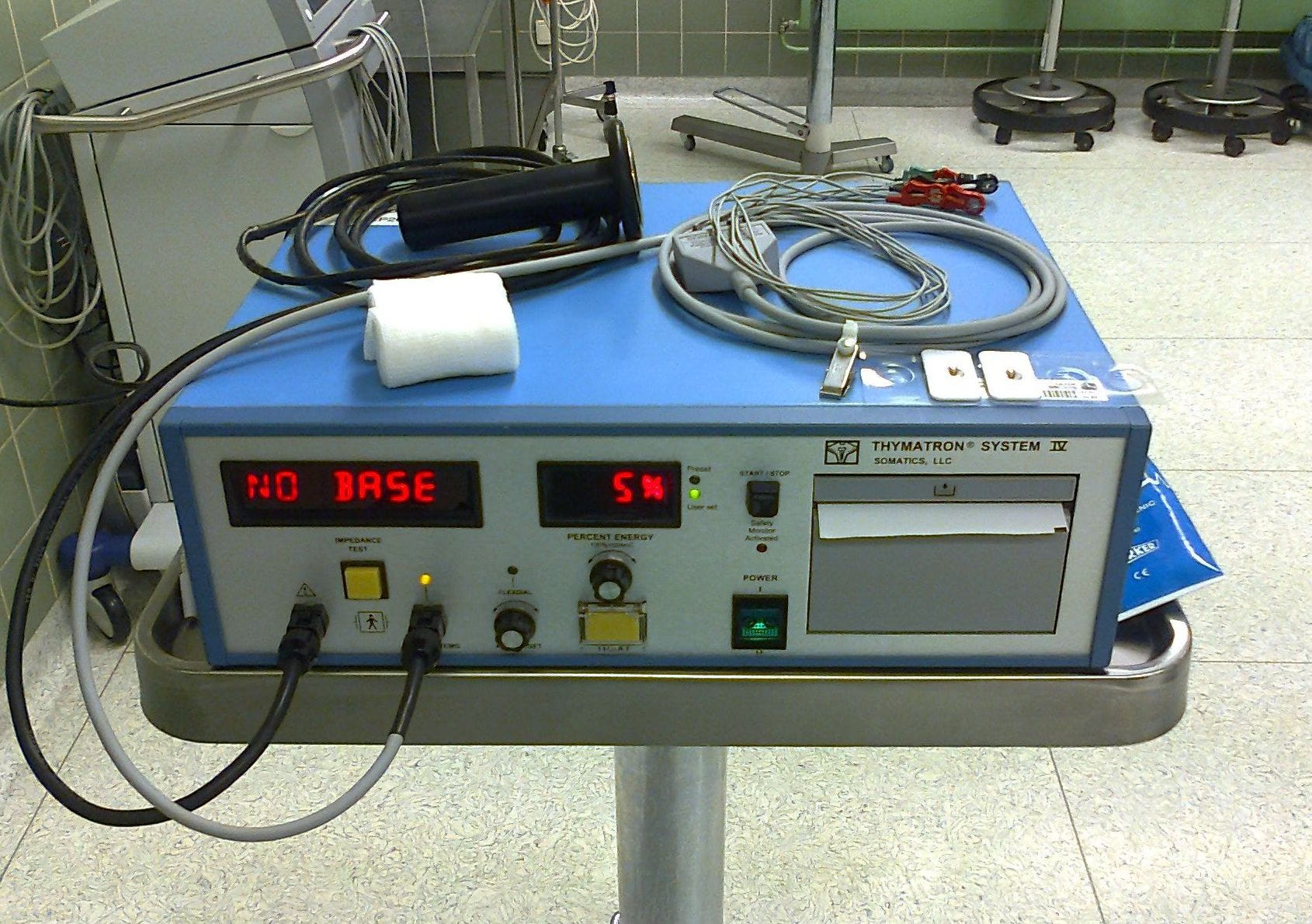
Whereas antidepressant drugs alter levels of neurotransmitters such as serotonin or dopamine, brain stimulation therapies directly activate networks of neurons. In electroconvulsive therapy, a carefully controlled electrical current briefly induces a seizure while the patient is under general anesthesia. In repetitive transcranial magnetic stimulation, or rTMS, magnetic pulses delivered through the skull stimulate selected regions of the brain without causing a seizure.
The lasting benefits usually emerge only after repeated treatments. This suggests that the brain is gradually changing rather than merely responding to each stimulation.
To explore that possibility, the Fujita Health University team developed an experimental system called REPOPS. The method repeatedly stimulated neurons in the brains of mice in a way that captured key features of therapeutic brain stimulation. By comparing animals treated for three days with those treated for ten, the researchers could separate short-lived effects from changes that endured.

A return to plasticity
After repeated stimulation, mature neurons began expressing many of the same genes normally active during early brain development. Three days of stimulation produced only temporary effects. But after ten days, the neurons entered a stable “dematured” state that persisted for more than a month—an effect that surprised the researchers.
The shift was accompanied by sweeping changes in chromatin accessibility across the genome, indicating that the cells had reorganized how they controlled gene activity. Although mature neurons do not divide, they briefly activated molecular programs normally associated with dividing cells. At the same time, structures within the nucleus changed, including the organization of chromatin and the nuclear envelope.
Specifically, the neurons appeared to undergo what the researchers describe as a form of nuclear reprogramming—a partial resetting of their molecular identity while remaining mature brain cells.
The researchers also examined how the altered neurons behaved. They did not simply become more active or less active. Instead, they processed information differently. Some patterns of neural activity weakened, while others became stronger, consistent with a temporary state of heightened plasticity in which neural circuits may be especially capable of reorganizing.
The team next examined postmortem brain tissue from patients who had undergone electroconvulsive therapy. Those samples showed gene-expression patterns resembling the same immature-like state observed in the mouse experiments, suggesting that similar biological changes may occur in the human brain.
More Information:
Journal Article (open-access): Murano, Tomoyuki, et al. “Repetitive Neuronal Activation Regulates Cellular Maturation State via Nuclear Reprogramming.” Nature Communications, 2026, https://doi.org/10.1038/s41467-026-74202-w
Funding Sources: Japan Agency for Medical Research and Development (AMED) and Japan Society for the Promotion of Science (JSPS) KAKENHI
Related Video: “The Truth About Electroconvulsive Therapy (ECT) - Helen M. Farrell, TED-Ed”